Onboarding
Purchases ran higher with the welcome video than without it, and most of that lift came from creators who had not connected a channel. vidIQ, a YouTube growth platform, used to open by asking for your channel before you had seen the product. I animated a video in Rive that lets them watch it work first. Exact numbers stay private.
Pat consistently delivered quality work, including many successful AB tests in new user onboarding funnels. He takes the time to understand users and design around what they actually need. Great colleague to work with!




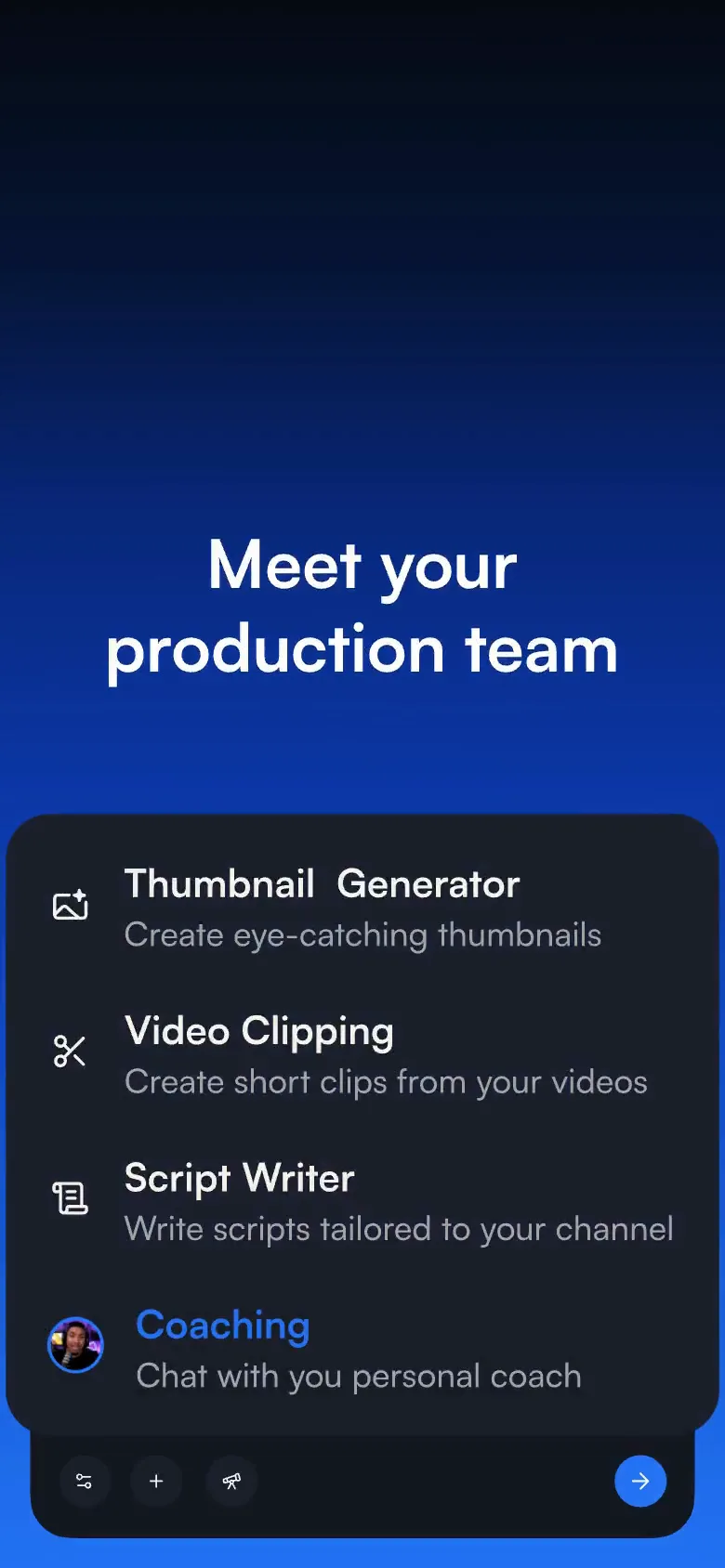
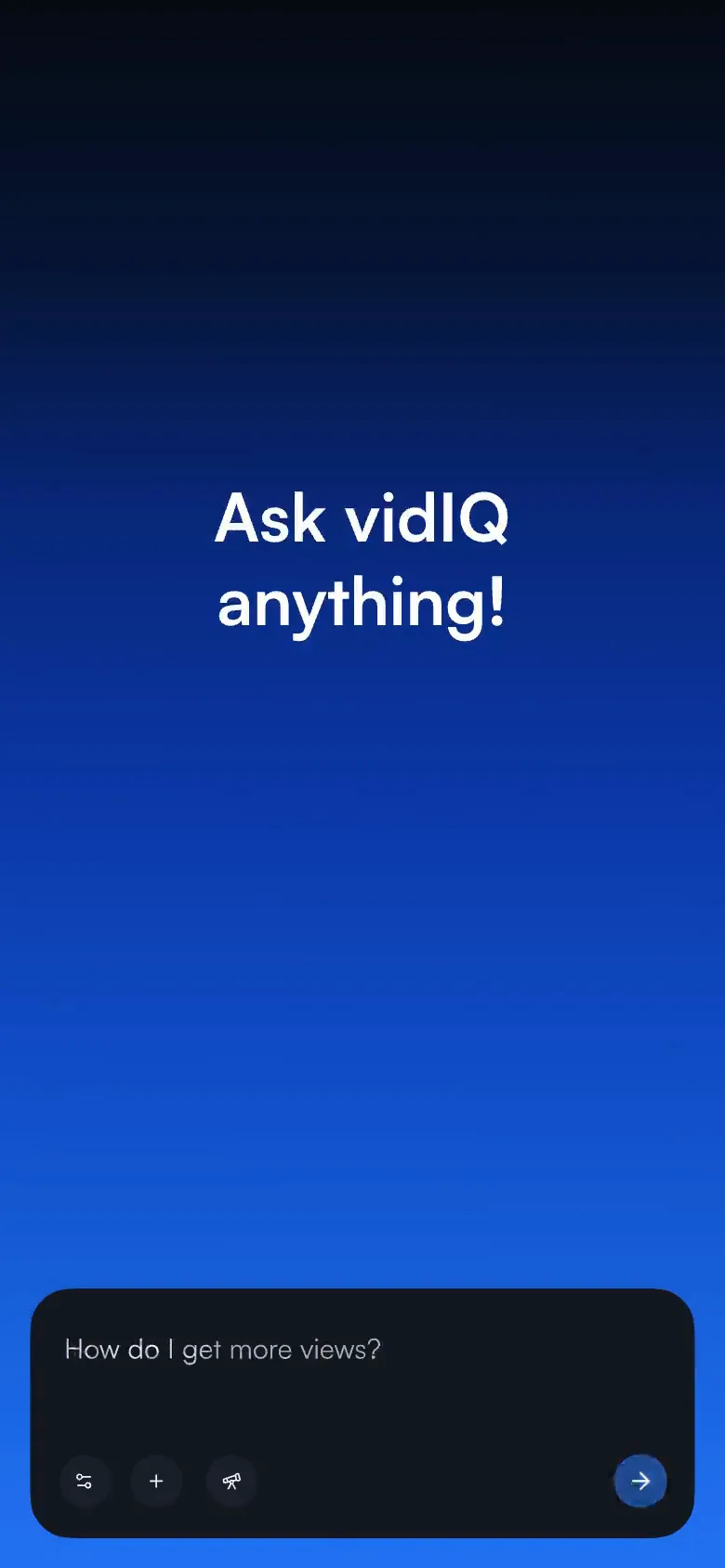
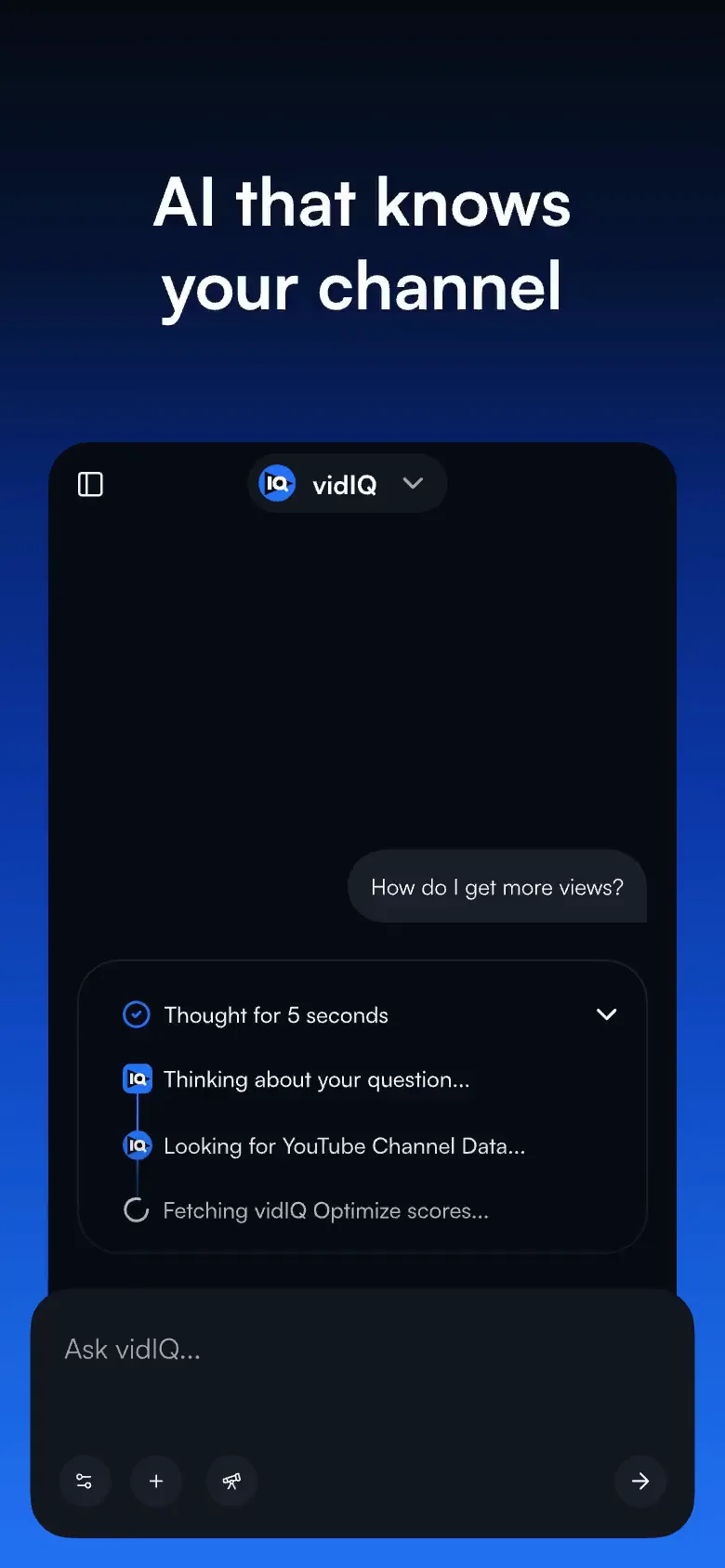
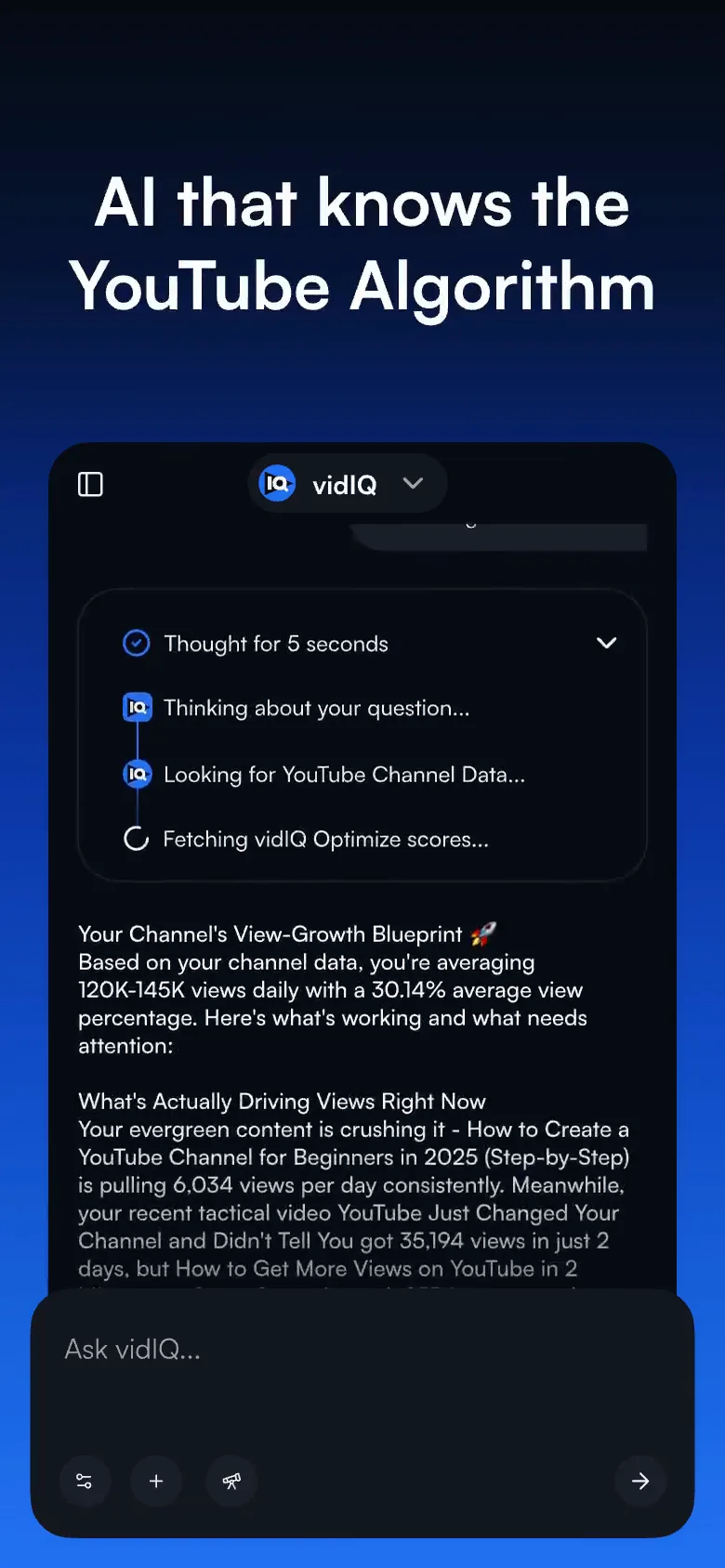
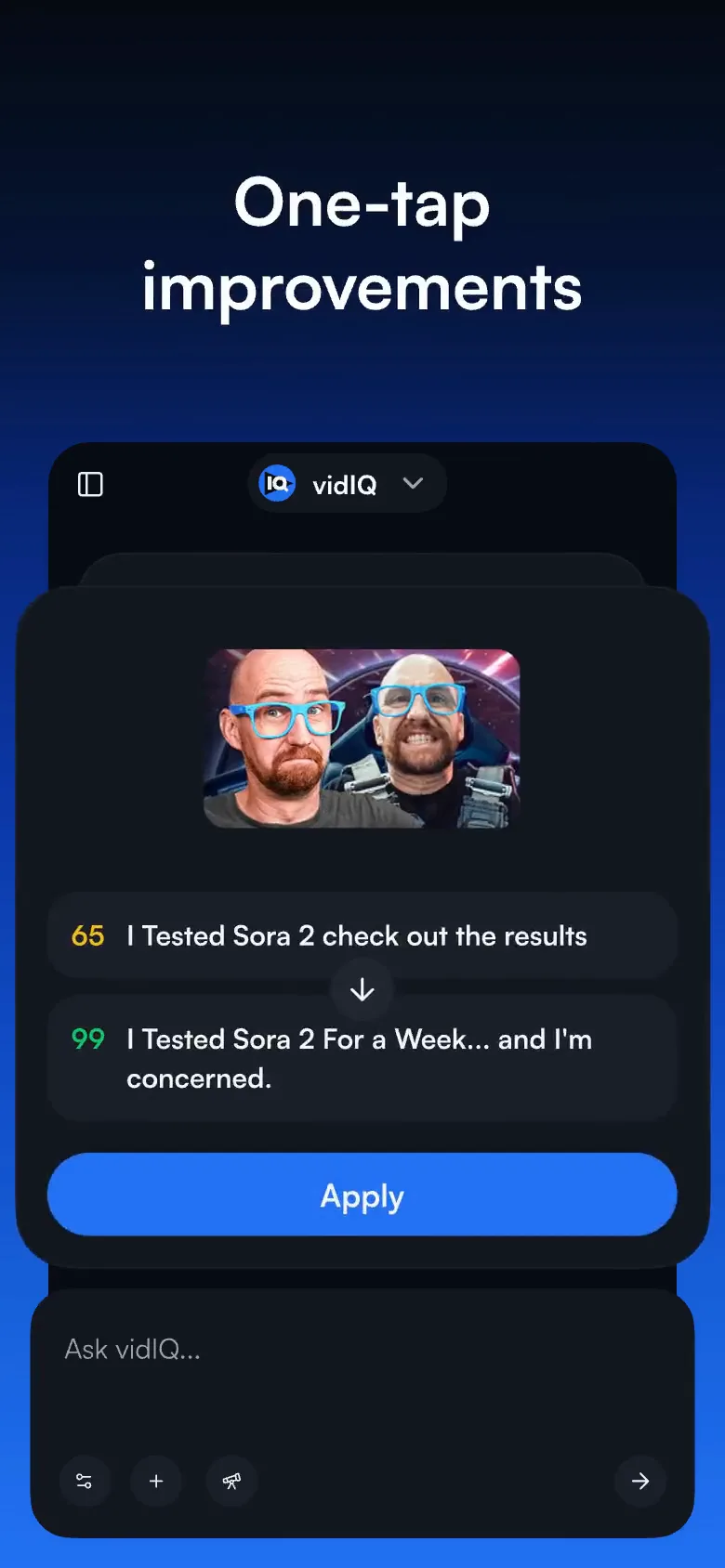
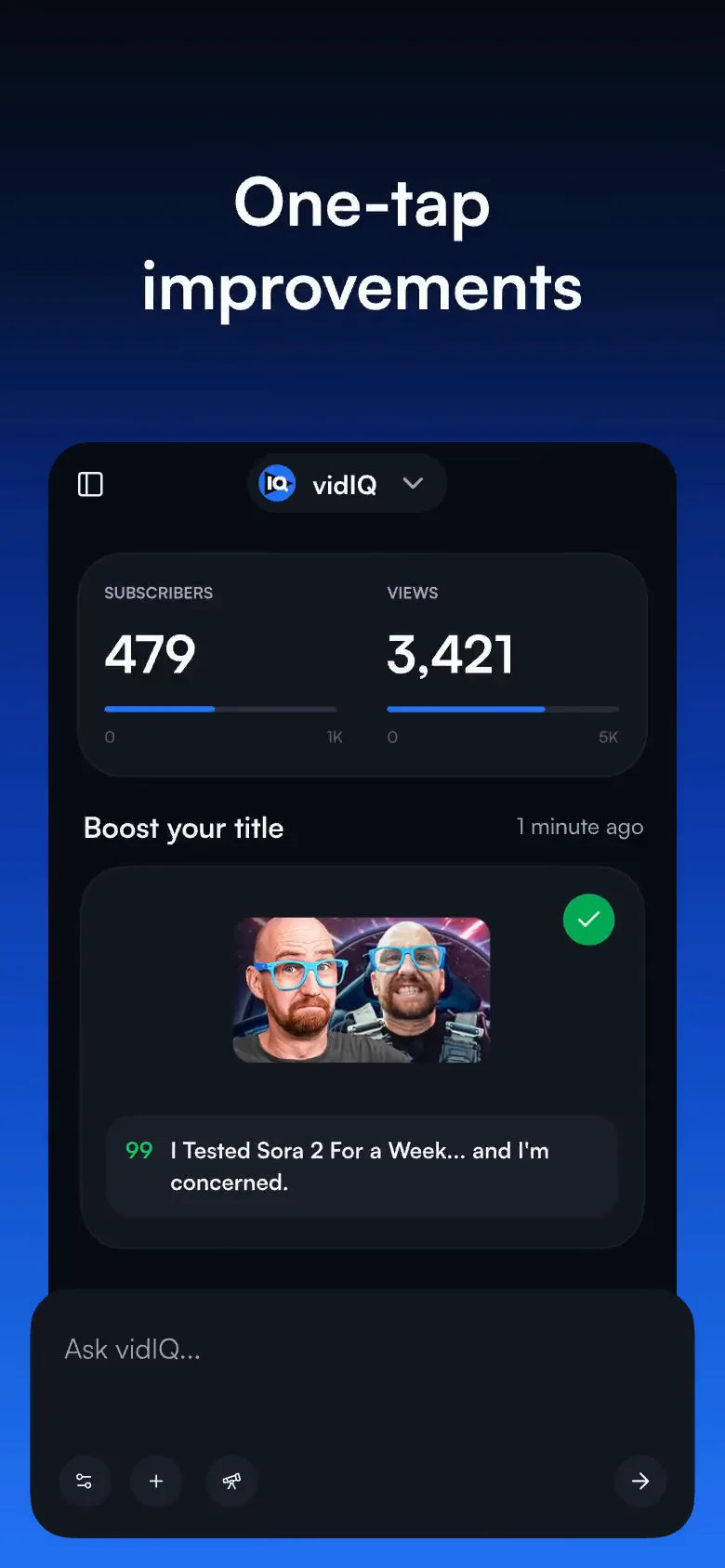
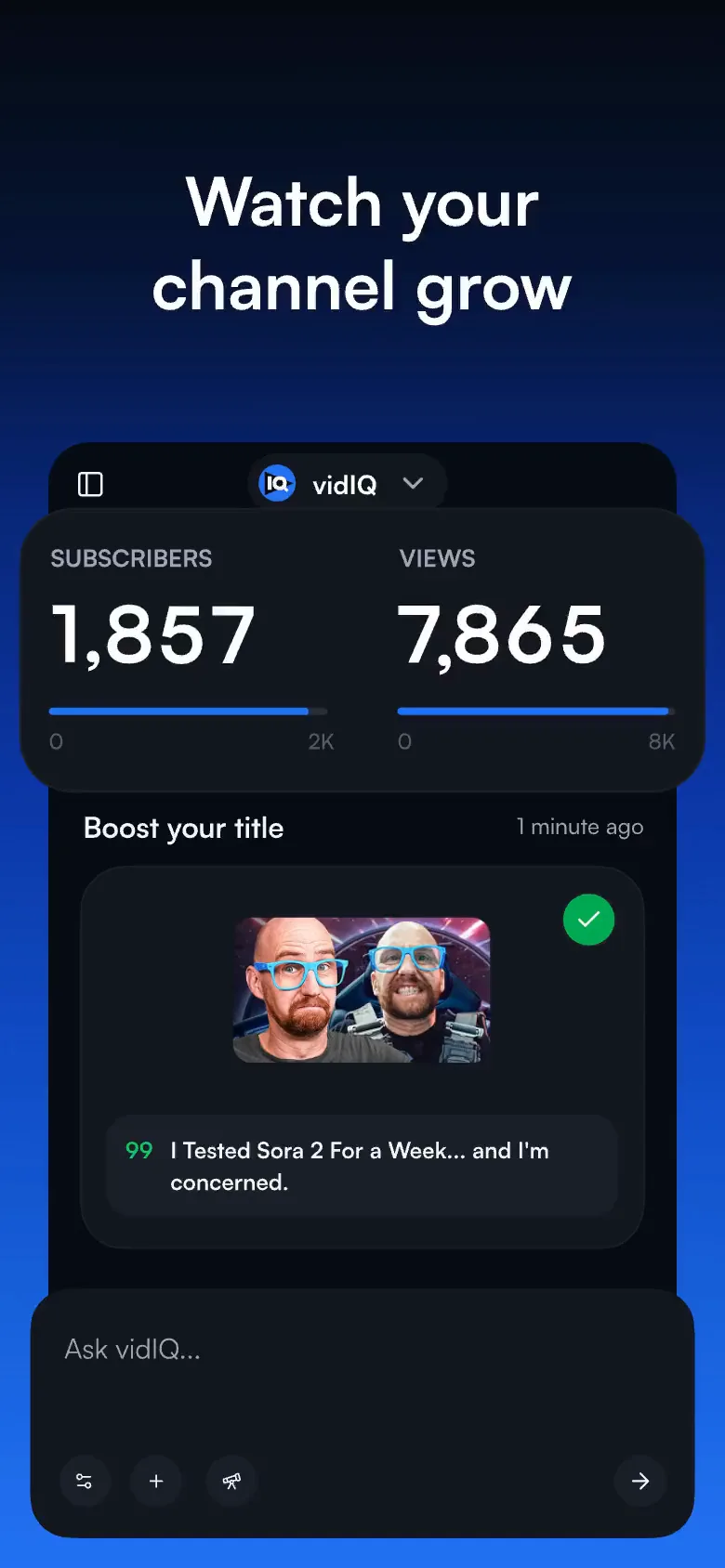
The first screen asked for a channel before showing anything
vidIQ opened by asking for your YouTube channel. That was the first screen, before you had seen what the product does. A good share of creators tapped past it, and what they got instead was a run of screens describing it. The replays show them moving straight through.
There was already a moment in the product that landed. Connect a channel and vidIQ would find a recent video, score its title, offer a stronger one, and put it live on YouTube in a tap. Creators who saw that bought and also stuck around. The problem was reaching somebody whose channel we could not see.
Demonstrate instead of explain
So the answer was to demonstrate instead of explain. Design and growth built the storyboard, with product, marketing, customer success and engineering all weighing in, because onboarding runs through every one of them. I raised my hand for the motion and learned Rive on the fly. A Figma prototype went out first so the team had something to react to, and while that was going around I was setting up the Rive project and building out the assets and components. Engineering and I took it the rest of the way on a tight deadline. It went to a fraction of signups before it went to everybody.


More connects and flat purchases, so we moved it back
We also moved it around. For a while the video played first and the connect screen came after it, and more creators connected their channels. I took that as the video doing its job. It was not. Purchases held flat and churn rose, and a real lift does not behave that way.
The Skip on the connect screen was too quiet and sat in the wrong spot, and I put it there. Creators arriving from the video saw no other way in, so we were collecting channels from people who were never going to stay. Skip became obvious and a progress bar went in, so you could tell how much of signup was actually left. The video got one of its own too, since nobody had asked to watch it in the first place.
Then connect went back ahead of the video. Creators who arrived ready to link a channel had been dropping out midway through it, while everything we did was aimed at the ones who never would.
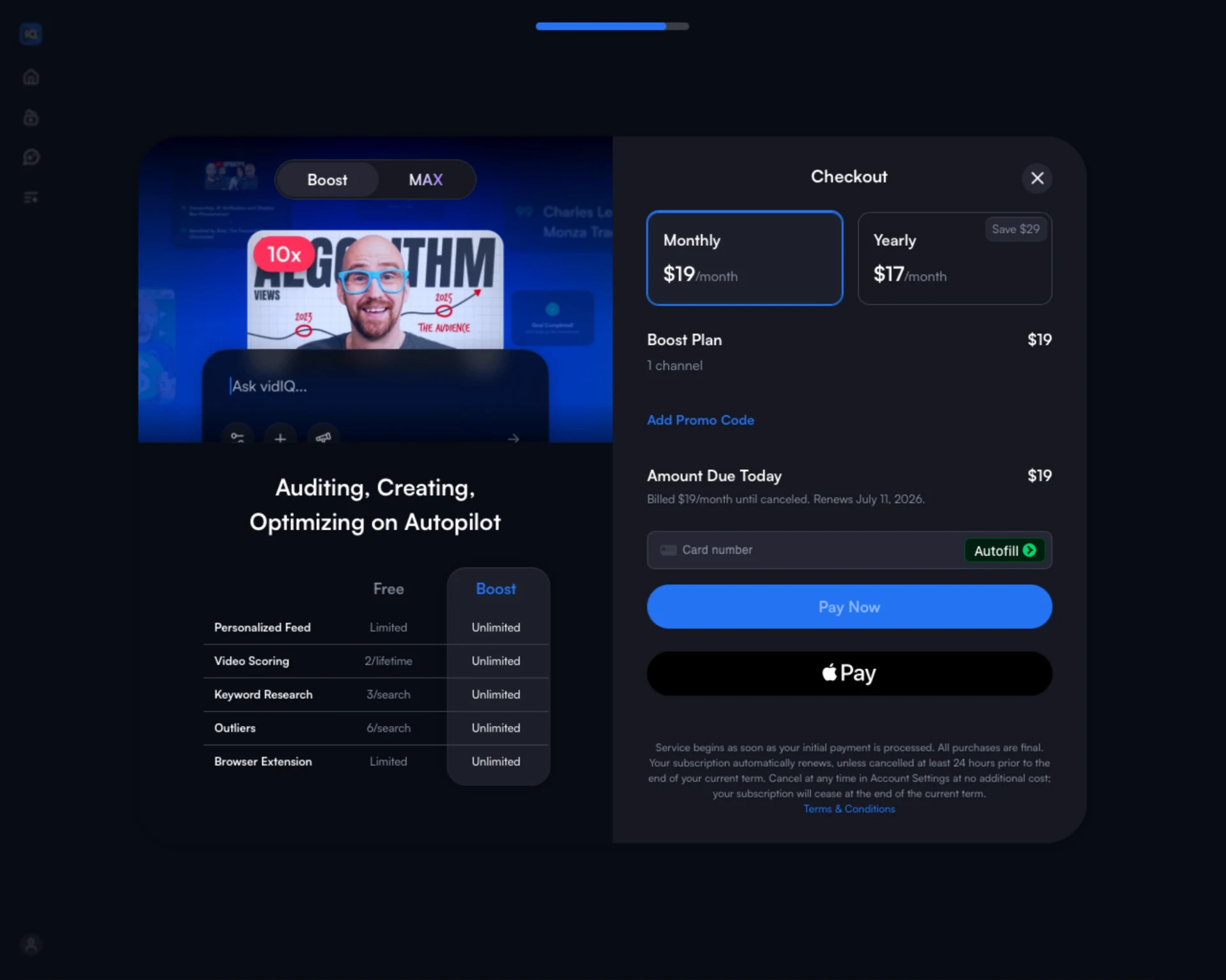
Taking the video out settled it
Once it was in, we tried other things in the same slot to find out whether it was the video doing the work or just the message. Static screens, a graphic, one that kept some motion beside the connect buttons. None of them carried it.
What settled it was taking the video out. Purchases ran higher with it than without, and most of that was creators who had not connected a channel. Exact numbers stay with vidIQ.